Games You Can Drop Guilt-Free After 5 Hours

Vampire Survivors
(2022)91WHY IT'S HERE
Five hours is comfortably enough to see every weapon interaction worth seeing. What follows is the same escalation with bigger numbers, which is fun but not new information.
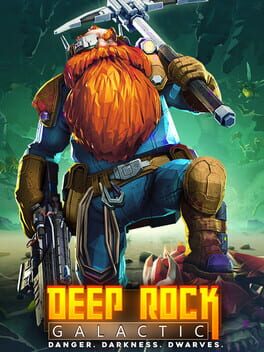
Deep Rock Galactic
(2020)82WHY IT'S HERE
The mission structure repeats deliberately. Once you have run a few contracts with a full team you have experienced the game, and the remaining depth is refinement rather than revelation.
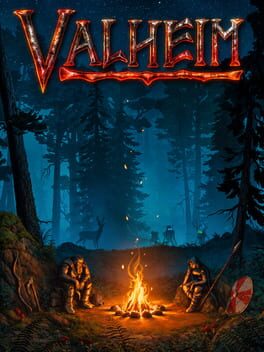
Valheim
(2026)90WHY IT'S HERE
Building your first proper base is the emotional peak. Everything past it is a longer version of the same satisfaction, so stopping there is a perfectly clean exit.
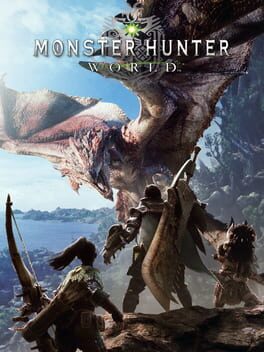
Monster Hunter: World
(2018)93WHY IT'S HERE
Beat two or three large monsters and you understand the entire proposition. The hundreds of hours beyond that are for people who want mastery, not for people who want the experience.

Crusader Kings III
(2020)91WHY IT'S HERE
One good dynasty run tells you everything about how the systems interlock. There is no ending here at all, which makes it the purest guilt-free entry on the list.

Risk of Rain 2
(2020)87WHY IT'S HERE
A handful of runs covers the character roster and the item chaos that defines it. The long tail is about efficiency, and efficiency is optional.

Satisfactory
(2024)95WHY IT'S HERE
Once your first automated production line runs without you, the core idea has landed. Scaling it further is a hobby, and hobbies are opt-in.
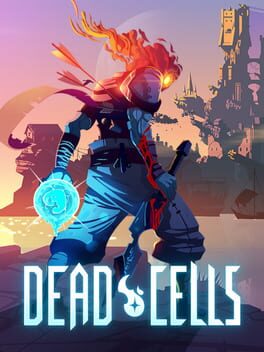
Dead Cells
(2018)90WHY IT'S HERE
A few runs give you the movement feel and the weapon variety that make it special. Reaching the true ending is a challenge goal rather than a story you are missing.
Methodology & FAQ
Selected for loop-driven rather than chapter-driven design, where the core idea is fully expressed within the first few hours and no narrative conclusion is missed by stopping.
Q: Is it really fine to stop a game I am enjoying?
Yes, especially for systemic games. Enjoyment is the return you were after and you already collected it. Continuing only makes sense if the next hour still sounds appealing.
Q: How do I tell a systemic game from a story game?
Ask whether the game is building toward something. If it repeats a loop with escalating numbers rather than advancing a plot, stopping costs you nothing but more of the same.
Q: What about achievements and completion percentages?
Those are engagement metrics designed to keep you playing, not measures of whether you got value from the game. Treat them as optional, because they are.