How to Finally Beat Your Gaming Backlog: A System That Works
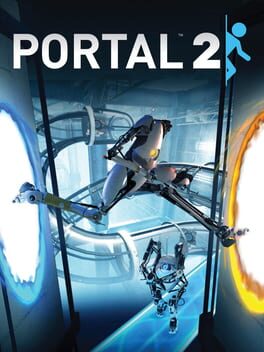
Portal 2
(2011)92WHY IT'S HERE
Portal 2 is the model for what a "finishable" backlog game looks like: roughly eight hours, a story with a real beginning and end, and puzzle design so tight there is no filler to skip through. Starting your backlog cleanup with a game this well-paced builds the habit of actually reaching credits instead of drifting away at the halfway point.
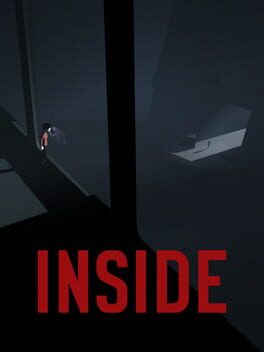
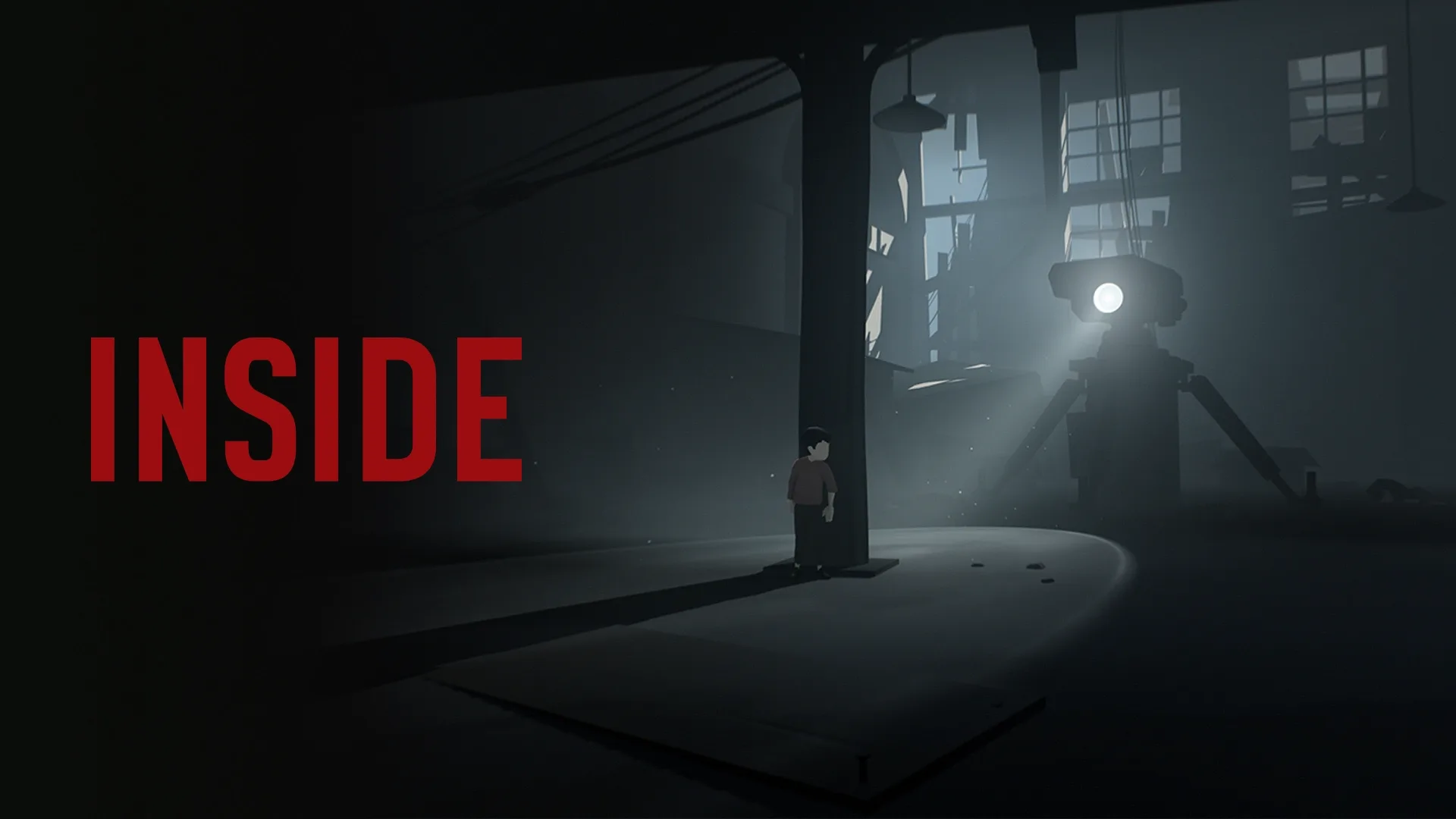
Inside
(2016)92WHY IT'S HERE
Inside runs about three to four hours and never once loosens its grip, which makes it the easiest kind of backlog win: a single weekend evening is genuinely enough to finish it. It is proof that "I only have a few hours" is not a reason to leave a game unplayed indefinitely.
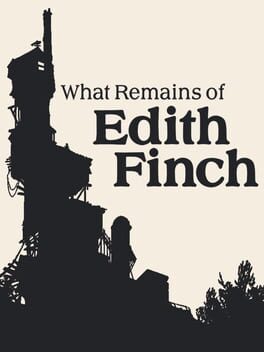
What Remains of Edith Finch
(2017)87WHY IT'S HERE
What Remains of Edith Finch is a two-to-three hour anthology built from short, self-contained vignettes, so even a single sitting delivers a complete emotional arc. It shows how a backlog entry can be cleared in one focused night without feeling rushed or incomplete.
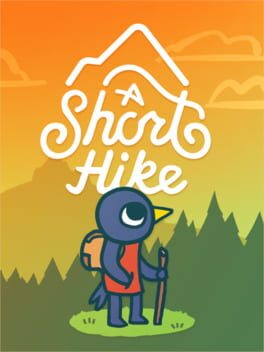
A Short Hike
(2019)78WHY IT'S HERE
A Short Hike is barely two hours long and was designed explicitly as a palate cleanser between heavier games, making it the ideal pick for the days you want to close out a backlog entry without committing an entire weekend. It rewards you for finishing quickly instead of punishing you for not lingering.

Return of the Obra Dinn
(2018)95WHY IT'S HERE
Return of the Obra Dinn sits comfortably under ten hours and is structured as a single mystery to solve, so its finish line is unmistakable from the opening scene. It is a strong test case for the "does this game have a real ending I will reach" filter that should guide every backlog decision.
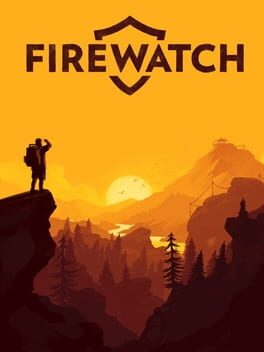
Firewatch
(2016)79WHY IT'S HERE
Firewatch clocks in around four to five hours and tells one contained story with no side content to distract you from the ending. Its brevity makes it a reliable choice for reclaiming momentum after a stretch of not finishing anything at all.

Hollow Knight
(2017)91WHY IT'S HERE
Hollow Knight is the deliberate outlier here: a 20-to-30 hour metroidvania included to prove the system scales beyond quick wins. Its structure of clear regional goals and boss checkpoints shows how to break a longer game into backlog-sized sessions instead of treating length itself as a reason to avoid starting.
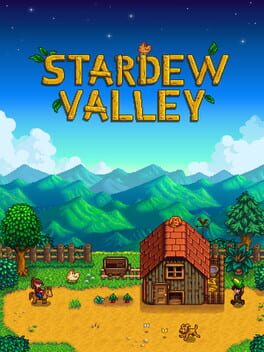
Stardew Valley
(2016)91WHY IT'S HERE
Stardew Valley is included as the counterexample: an open-ended game with no true ending, used here to illustrate why some backlog entries need a self-imposed stopping point rather than a hunt for full completion. Setting your own finish line, like reaching year two or unlocking the community center, is what keeps a game like this from swallowing your whole backlog.
Methodology & FAQ
Games were chosen to represent distinct backlog-clearing strategies rather than to form a single genre list: tightly scoped narrative games with a hard ending, compact mystery and puzzle games under 10 hours, and one open-ended sandbox included deliberately to illustrate when to set session boundaries instead of chasing full completion. Playtime estimates and structural pacing were checked against how each game is actually completed by most players, not theoretical 100% runs.
Q: Where should I start if my backlog has over fifty games?
Start with the shortest game you already own, not the highest rated one. Finishing anything restores the sense that the list can actually move, and that momentum matters more than which game you picked.
Q: Why is an open-ended game like Stardew Valley on a list about finishing games?
Because some games have no ending to reach, and pretending otherwise keeps them on your list forever. For those the goal is a self-imposed stopping point, such as the end of a season or a milestone you set, rather than completion.
Q: Does deleting games count as beating the backlog?
Yes. A backlog is a list of options, and removing an option you will never take is as valid as playing one. Guilt about unfinished games is what keeps most lists frozen.